What Real Supply Chain Visibility Looks Like in Companies Using Digital Twins
 by
by 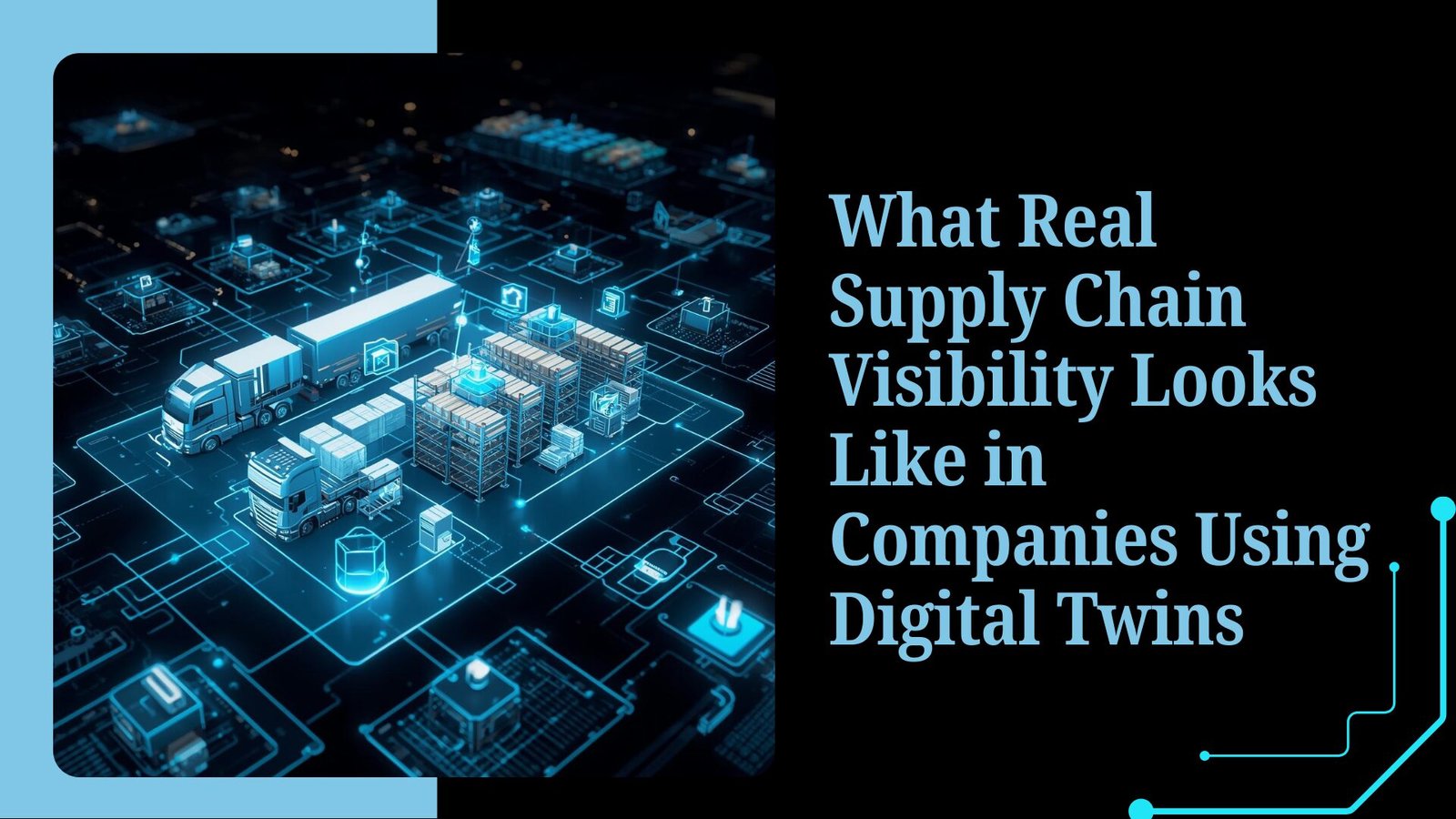
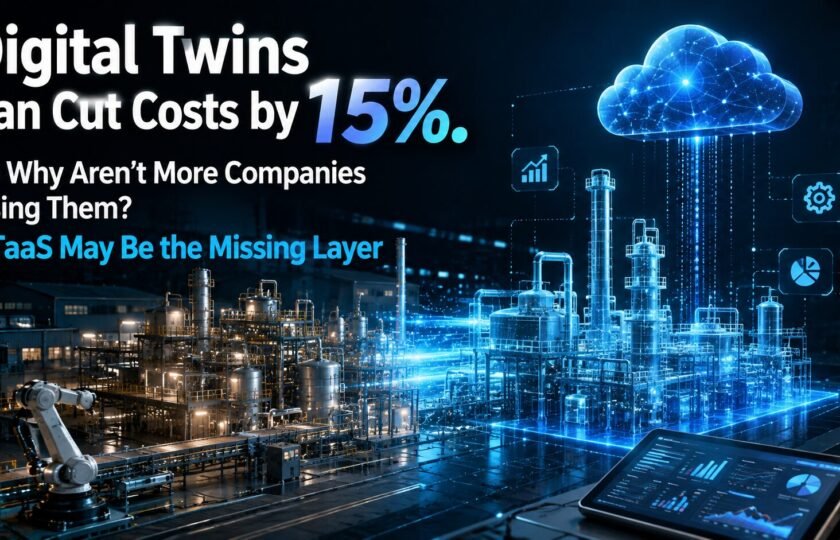
Supply chains were never designed for disruption at today’s scale. Global volatility, fragmented data, and limited real-time insights have exposed a hard truth: traditional visibility tools are no longer enough. To move faster and smarter, leading organizations are turning to Digital Twins to gain end-to-end supply chain visibility that was previously impossible.
A Digital Twin is not just a model. It is a living digital representation of physical supply chain assets, processes, and flows—continuously updated with real-time insights. When applied correctly, Digital Twins transform supply chain management from reactive tracking to predictive, insight-driven decision-making.
Why Supply Chain Visibility Needs a Rethink
Most supply chains still operate on delayed signals. Data arrives late, in silos, and often without context. This limits the ability to respond to disruptions, anticipate bottlenecks, or optimize inventory across networks.
The introduction of digital twins into the supply chain industry has changed the way supply chain is currently viewed, because supply chain managers can now use a continuously updated view of the supply chain by combining the supply chain’s operational metrics from warehousing, transportation, manufacturing and logistics all together into a single, unified environment.
How Digital Twins Enable Real-Time Insights
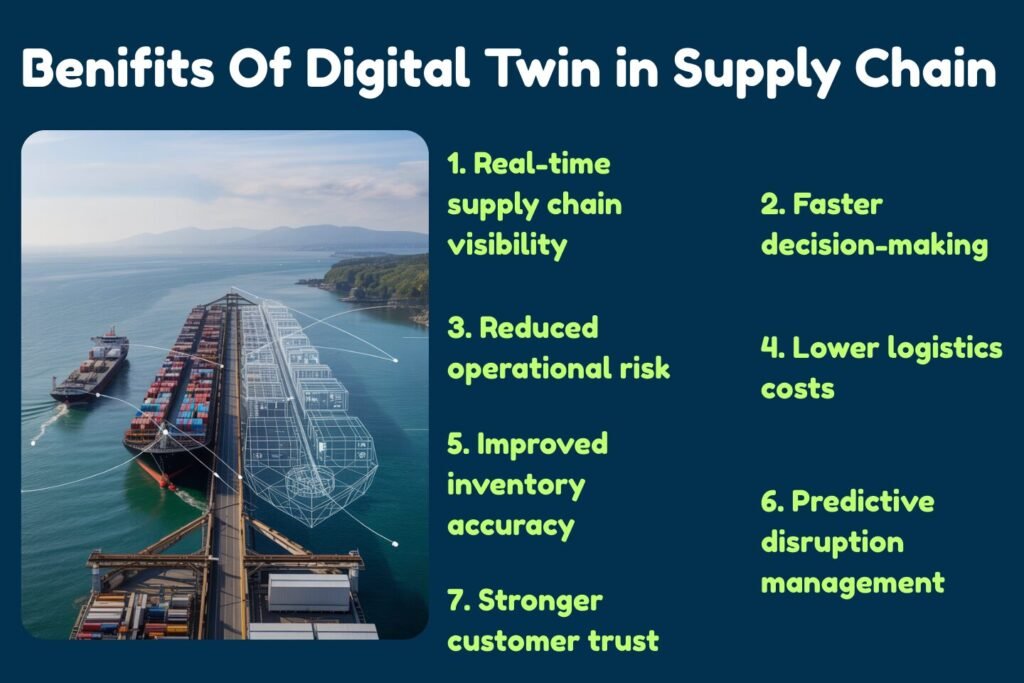
Digital Twin technology’s foundation is its ability to synchronize data between the physical and digital supply chains. Because the digital representations of physical supply chain activities are updated in real-time, teams can view current happenings, compared to in the past when they would wait hours or days to see what was happening. The entire supply chain – from inventory movement and supplier performance through shipment delays to production capacity – is visible through a single intelligent system.
More importantly, Digital Twins enable simulation. Supply chain leaders can test scenarios before acting: rerouting shipments, adjusting production schedules, or responding to demand spikes without disrupting live operations. This capability dramatically improves agility and resilience.
From Visibility to Predictive Intelligence
Digital Twins provide organizations with the ability to predict future risks by analyzing both historical and real-time insights. Early warnings about potential delays, supplier failure, or capacity constraints will enable organizations to make advance arrangements to mitigate risks by taking appropriate action before problems arise. Improved predictive capabilities will help organizations reduce costs, enhance service quality, and build greater confidence in all parts of the Digital Supply Chain Ecosystem.
Scaling Supply Chain Decisions with Confidence
With the increasing complexity of supply chains, organizations must also evolve their decision-making processes to accommodate this complexity. The Digital Twin enables this by giving all partners and teams a single, common, and data-based view of the entire supply chain. This gives everyone, from planners to logistics managers, access to the same accurate and real-time insights.
This approach is increasingly discussed at Digital Twin Summit, where enterprise leaders explore how intelligent systems, including Digital Twins, are reshaping operations, visibility, and coordination across industries.
The Future of Supply Chain Visibility
Digital Twins will serve as significant components of future supply chains due to the evolution of AI, IoT, and advanced analytics. Digital Twins will move beyond monitoring into autonomous optimization—continuously learning, adjusting, and improving performance. Organisations that incorporate Digital Twins today aren’t simply increasing supply chains’ visibility; they’re also creating a foundation for the evolution of their supply chains to withstand an unpredictable future.
Conclusion
True supply chain visibility today is predictive, not reactive. Companies using Digital Twins bring together real-time insights from logistics, inventory, and operations to spot risks and act quickly. Instead of dealing with disruptions after they happen, Digital Twins help make smarter, data-driven decisions before any impact occurs. As global supply chains become more complex, Digital Twins are becoming the basis for strong, future-ready supply chain strategies.
Want to see how leading enterprises are applying Digital Twins for real-world supply chain visibility and intelligence?
Join industry experts and decision-makers at the Digital Twin Summit, where the future of connected, predictive supply chains takes shape.
FAQ's
A Digital Twin is a real-time digital representation of physical supply chain assets and processes.
Digital twins collect real-time insights from multiple sources (logistics, inventory, production) into one system.
Yes, Digital twins analyses patterns to identify future risk before disruption occurs.
Yes, Digital twins support simulation, optimization, and predictive planning.
Digital Twin reduces supply chain cost by eliminating delays, reducing inefficiency, and creating better resource allocation.
Yes. Digital twins are designed to assist with complex multi-region operations.
Yes, Digital twins provide real-time, shared visibility among all supply chain stakeholders.
They shift supply chains from reactive management to intelligent systems.
They integrate with existing tools rather than replace them.
They will evolve into self-optimizing systems powered by AI and automation.